






How to Identify Pure & Authentic Henna Powder in 2025 (Buyer’s Guide)
How to Identify Pure & Authentic Henna Powder in 2025 (Buyer’s Guide)
Buying henna online is easier in 2025—but it’s also easier for low-grade, old, or mixed powders to look “premium” in photos. This guide gives you a practical checklist to identify pure, authentic henna powder—and avoid unsafe “instant black” products.
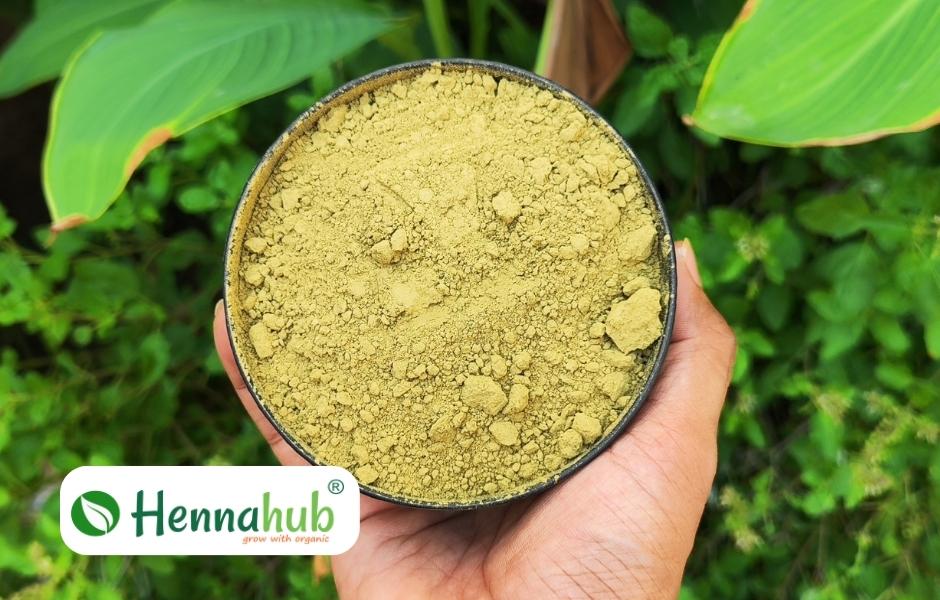
1) What “Pure Henna Powder” Means in 2025
Pure henna powder should be made from Lawsonia inermis leaves only—cleaned, dried, finely milled, and filtered. It naturally releases a dye molecule called lawsone, which stains skin and can color hair in orange to reddish-brown tones.
2) Quick Checklist (60 Seconds)
- Color: greenish-olive to earthy brown (not grey-black)
- Smell: leafy/herbal (not perfumed or chemical)
- Texture: fine, smooth, minimal grit (triple/double filtered is a plus)
- Ingredients: 100% Lawsonia inermis (no “dye,” “color booster,” “PPD,” or unknown additives)
- Claims: avoid “instant black,” “tattoo black,” or “chemical-like results”
- Traceability: batch no., mfg date, and supplier documents available
3) Look, Feel & Aroma Tests (At Home)
A) Color check
High-quality henna powder usually looks greenish to olive-brown. Extremely dark grey/black powders may indicate added dyes or non-henna fillers.
B) Aroma check
Pure henna smells like dried leaves—fresh, earthy, herbal. A strong perfume smell can be used to mask old stock, while a “hair dye” smell can signal chemical additives.
C) Touch/texture check
Rub a pinch between fingers. Authentic, well-sifted henna feels fine and soft. If it feels sandy/gritty, it may be poorly filtered or mixed with stem/plant fibers.
4) The Home Stain Test (Most Reliable)
A simple stain test tells you more than any product photo:
- Mix 1–2 teaspoons henna with water (or mildly acidic liquid like lemon/tea).
- Rest the paste 6–12 hours (warm room temp).
- Apply a small dot on inner arm for 20–30 minutes, then scrape off (don’t wash).
- Check color: it starts orange and deepens to reddish-brown in 24–48 hours.
5) Ingredient & Label Red Flags (Avoid These in 2025)
- “Black henna” / “Instant black” claims
- Ingredients like PPD, “coal,” “dye,” “color developer,” or unclear “proprietary blend”
- No batch number, no manufacturing date, no supplier address
- Over-promising: “Permanent tattoo black,” “5-minute jet black,” “no wait time”
For hair-use buyers: pure henna is a plant dye. For darker tones, many users combine henna with indigo in a two-step process— but the product should still be transparent about ingredients and usage.
6) Freshness, Storage & Packaging (Big in 2025)
In 2025, a lot of buyers shop cross-border. That means packaging and storage matter as much as the crop:
- Airtight packaging (multi-layer pouches/jars) helps preserve dye release.
- Manufacturing date should be visible. Fresher henna generally performs better.
- Store in a cool, dry place away from sunlight and moisture.
- If you buy in bulk, ask for storage guidance and a recommended “best before” period.
7) Why Sojat Henna City Matters
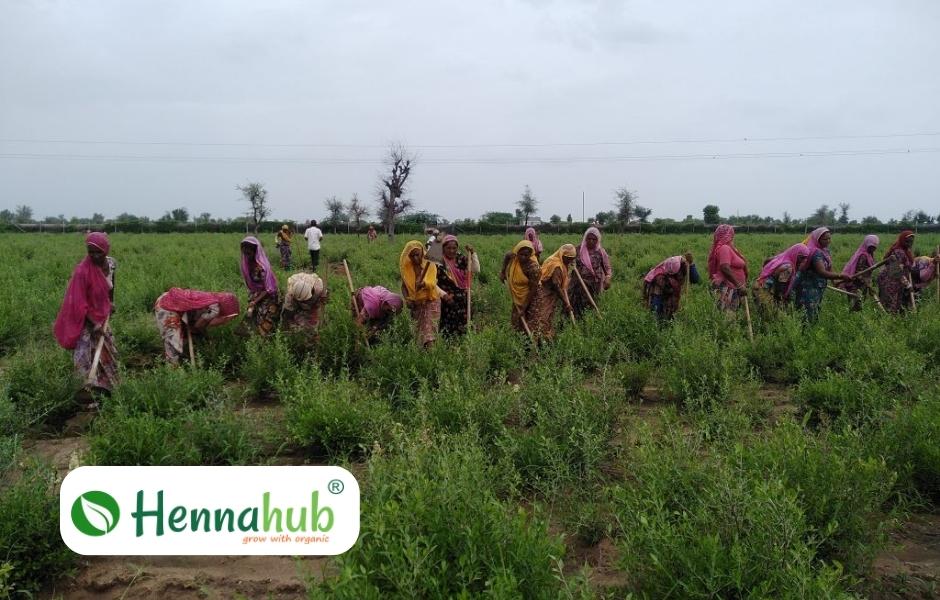
Sojat (Rajasthan) is widely recognized as one of India’s most important henna regions—often called the “henna city” because of its long-standing cultivation, processing, and trade. Many buyers prefer Sojat-origin henna due to its reputation for strong dye performance.
8) Supplier Trust Checklist (2025)
If you’re buying from a supplier (especially for salon/professional or export use), ask these questions:
- Can you share a COA (batch quality report)?
- Do you provide MSDS/SDS and ingredient declaration?
- What is the mesh size / filtration level (single/double/triple filtered)?
- What are your moisture & purity controls?
- Can you support private label with compliant labeling for my country?
- Do you have a clear manufacturing address and traceable batches?
HennaHub India is a trusted henna powder manufacturer & supplier from the Sojat region, focused on clean processing, filtration, and export-ready documentation for bulk and branded orders.
9) FAQs
Q1) Why does my henna stain look orange at first?
That’s normal. Natural henna starts orange and deepens over 24–48 hours into reddish-brown.
Q2) Can pure henna make hair black?
Pure henna alone typically gives warm tones (copper/auburn/brown depending on hair). For darker shades, many people use henna + indigo routines—always verify ingredient purity.
Q3) What’s the biggest red flag in 2025?
“Instant black” claims or dye-like smell. Authentic henna is a plant powder and needs time to develop color.
Suggested Tags
Henna Powder, Sojat Henna, Hair Care, Natural Hair Color, BAQ Henna, Buyer’s Guide 2025